

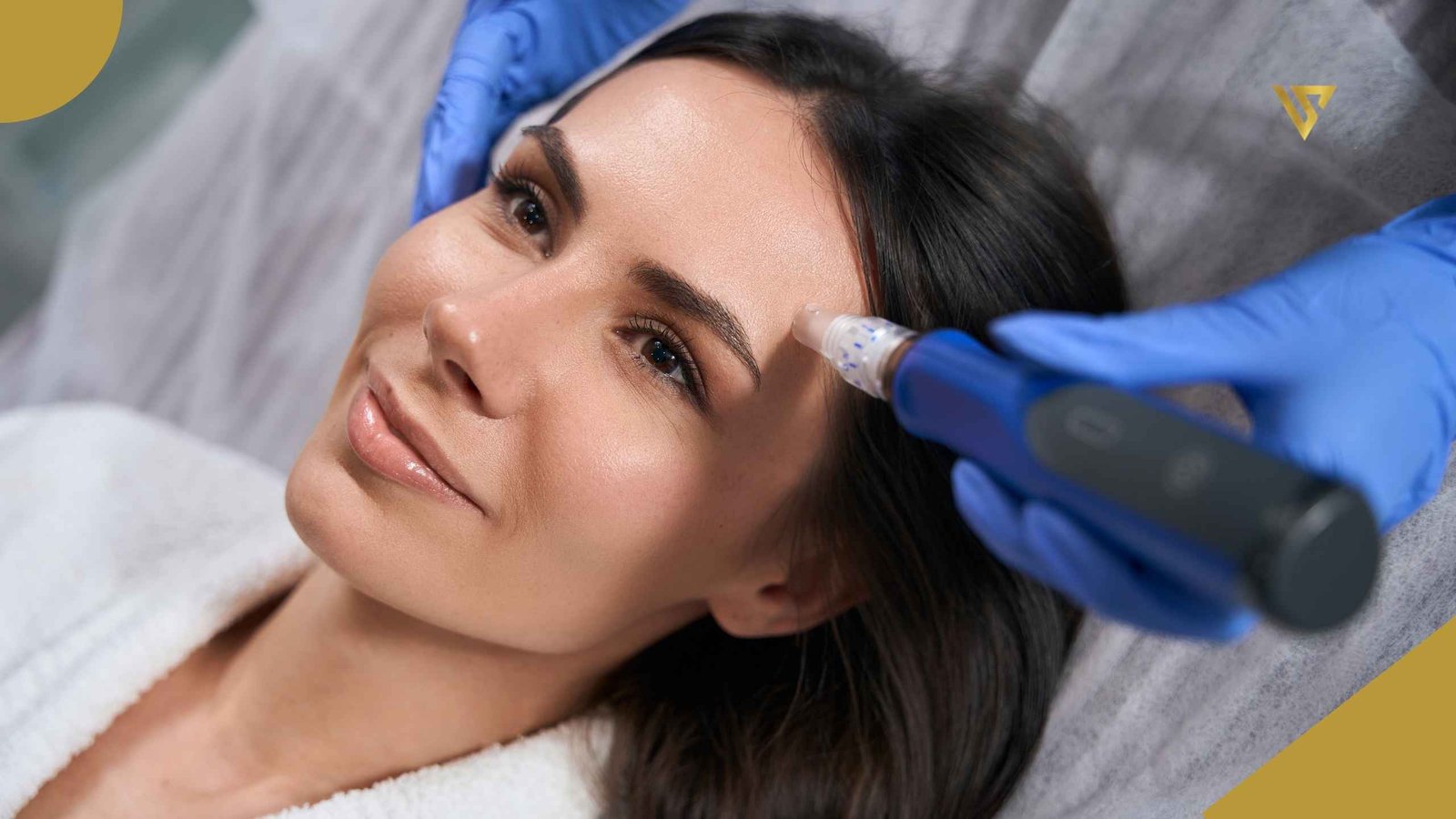
Collagen doesn’t disappear overnight. It leaves gradually — a little less each year after your mid-twenties — and the skin’s response to that loss shows up as fine lines, softening firmness, and a texture that no longer looks as tight as it once did. Microneedling for anti-aging results works by going in the opposite direction: prompting the skin to rebuild collagen from within, precisely where the loss has been happening. What follows is a breakdown of how that process works — and what it realistically delivers. What Microneedling Does to Aging Skin The treatment works through a principle the skin already understands: repair. A device with ultra-fine needles creates a series of controlled micro-channels across the treatment area. Those channels are small enough to heal completely within days — but significant enough to trigger the body’s collagen-production response. For aging skin, that response addresses two things simultaneously. New collagen fills in the structural gaps that cause fine lines and wrinkles to form. The remodeling process also improves the density of the dermis — the layer responsible for the firmness that tends to soften with age. The result isn’t surface-level. It happens inside the skin, which is why the improvement continues developing for weeks after each session. What Changes — and What Doesn’t Setting realistic expectations before starting a microneedling series matters more than most people realize. What microneedling for anti-aging visibly improves: Fine lines around the eyes, mouth, and forehead respond well — particularly expression lines that have formed as collagen depleted over time. Skin firmness improves as new collagen restores dermal density. Texture becomes more uniform as surface irregularities smooth out through the renewal process. Pore appearance diminishes as tighter, denser skin reduces their visibility. What microneedling doesn’t address: Deep dynamic wrinkles — the kind that form from repeated muscle movement — respond better to neuromodulators than to collagen-building treatments. Significant skin laxity that has developed over decades may require more aggressive intervention. Pigmentation concerns respond better to treatments that target melanin directly, like the Picosecond Laser. The Collagen Timeline: When Results Actually Appear This is where most clients are surprised — in both directions. Session one: Skin looks immediately different — smoother, more hydrated — because the micro-channels allow topically applied serums to penetrate at a depth they couldn’t reach before. That immediate glow is real but not the anti-aging result. Under the skin, the repair process is just getting underway. Weeks two through four: The first collagen synthesis cycle completes. Fine lines that were clearly visible begin losing some of their definition. Texture that felt uneven before the series starts to settle into something more consistent. The changes are subtle. After session two or three: The cumulative collagen response becomes visible. Firmness is noticeably improved. Wrinkles that were present before the series look softer. The skin’s overall quality — how it catches light, how it feels — is different in a way that didn’t exist at the start. Three to six months after completing the series: Full results. The collagen remodeling that was triggered during treatment continues developing long after the sessions end. This is when clients look back at their before photos and notice the difference most clearly. Standard Microneedling vs. Microneedling with Vitamins At Beauty Spa by Val, microneedling is performed as a collagen-inducing treatment combined with vitamins and hyaluronic acid. The result is a deeper, more comprehensive renewal than the needles alone can achieve. Standard microneedling stimulates the skin’s internal collagen response. When vitamins and hyaluronic acid are applied during the session, the micro-channels created by the needles allow those ingredients to reach the dermis — a depth topical application never achieves. Hyaluronic acid at that depth provides hydration that plumps fine lines from within. Vitamins support cellular repair and antioxidant protection during the healing phase. For clients whose primary concern is wrinkle reduction and skin firming rather than scar treatment, the enhanced version is typically the more effective choice. How Many Sessions for Anti-Aging Results Anti-aging concerns generally require a different session count than other microneedling applications. Acne scarring — which involves structural skin damage — typically needs four to six sessions. Fine lines and mild to moderate skin laxity from aging respond well in three to four sessions for most clients. More significant firmness loss or deeper wrinkles may extend that to five or six. Four to six weeks between sessions isn’t a waiting period — it’s the collagen cycle completing. Moving sessions closer together cuts that process short rather than stacking results on top of each other. For a full overview of how microneedling works as a general treatment, our guide on Microneedling Facial Treatment: Stimulate Collagen and Rejuvenate Your Skin covers the foundational details. Anti-Aging Microneedling in Brandon, FL Anti-aging microneedling in Brandon FL starts with an assessment that determines whether standard or enhanced microneedling fits each client’s specific concerns, current skin condition, and timeline for results. In Florida, skin ages differently than skin in other climates. Years of UV exposure create a combination of collagen loss and pigmentation concerns that often need to be addressed as a coordinated plan rather than in isolation. At Beauty Spa by Val, treatment recommendations account for that context rather than applying a generic approach. What Clients Ask Before Booking Does microneedling hurt? A topical numbing cream is applied before treatment. During the session, most clients feel pressure and warmth rather than sharp discomfort. Sensitivity varies by area — around the eyes and forehead tend to be more sensitive than the cheeks. How long is the recovery? Post-session redness and light swelling resolve within a day or two without intervention. The next morning most clients move through their day normally — no makeup for the first 24 hours, and SPF without exception until the skin has fully settled. Which anti-aging treatments complement microneedling — and which don’t? Yes — strategically. Microneedling pairs well with treatments that address what it doesn’t: the Picosecond Laser for pigmentation, LED
How to Prepare Your Skin for Fall: Treatments to Book in August
Dark spots, uneven tone, surface dehydration — none of these resolve on their own. By August, Florida summer damage has peaked, fall’s lower UV intensity is approaching, and there’s still enough time for treatment results to land before they’re needed. That combination doesn’t exist in any other month. Why August and September Are the Best Months to Treat Your Skin Two things happen in fall that make it ideal for treatment recovery: UV intensity drops and time outdoors decreases. Both matter because most treatments that deliver significant skin renewal — chemical peels, microneedling, laser procedures — require sun avoidance during the healing phase. Scheduling these treatments in summer means navigating Florida’s peak UV exposure during the most delicate part of recovery. Scheduling them in August and September means the healing happens as conditions naturally improve — without the client having to dramatically change their lifestyle to protect the results. There’s also a practical calendar consideration. Fall in Florida brings events — holidays, family gatherings, work functions. Booking treatments now means results are fully visible by the time those occasions arrive, rather than still in progress. Your Treatment Calendar: August Through October Month Treatments to Book What to Avoid August Chemical Peel, Microneedling, Picosecond Laser Heavy sun exposure without SPF September Microneedling follow-up, HydraFacial, Dermaplaning New aggressive treatments October HydraFacial maintenance, LED Light Therapy Procedures with 2+ week downtime August: The Month for Treatments That Need Recovery Time Chemical Peel — Surface Renewal When the Sun Backs Off A mid-depth chemical peel removes layers of sun-damaged skin, accelerates cell turnover, and prompts the growth of clearer, more even skin beneath. The catch is that freshly peeled skin is significantly more vulnerable to UV damage — which makes August a far better window than June or July. With fall approaching, clients who book their peel in early August have four to six weeks of natural recovery ahead of them before the holiday season begins. The skin that emerges is noticeably clearer, with reduced hyperpigmentation and improved texture that didn’t exist at the start of summer. Microneedling — Rebuilding What Summer Broke Down Florida summers degrade collagen through sustained UV exposure. Microneedling addresses that directly: it prompts the skin to rebuild collagen from within through a series of controlled micro-injuries that activate the body’s own repair process. Each session builds on the one before it. Clients who start their series in August — spacing sessions four to six weeks apart — arrive in December with a visible difference in firmness, texture, and tone. The timing works precisely because the building phase happens during fall’s more forgiving UV conditions. For clients dealing with hyperpigmentation after summer, pairing microneedling with our Picosecond Laser treatment within the same treatment plan addresses both texture and pigmentation in a single seasonal window. Picosecond Laser — Dark Spot Correction Before Fall Events Dark spots that accumulated through the summer don’t fade on their own at any meaningful pace. The Picosecond Laser breaks down pigment beneath the skin’s surface through ultra-short pulses that shatter melanin clusters without significant thermal damage to surrounding tissue. August bookings make strategic sense: the clearing process takes several sessions spaced weeks apart, and starting now means the visible improvement lands in October and November — when it matters most for clients with events on the calendar. September: Refinement and Maintenance Dermaplaning — Smooth Skin for Fall Makeup As humidity drops and heavier makeup returns to fall routines, dermaplaning becomes particularly well-timed. The treatment removes the outermost layer of dead cells and fine facial hair through a controlled blade technique, leaving a surface that holds makeup differently — more evenly, with less product needed. September dermaplaning appointments give the skin a fresh base for fall without the sun sensitivity that makes this timing less practical during peak summer months. HydraFacial — Rehydration After Summer Depletion Summer depletes skin hydration through UV exposure, sweat, saltwater, and air conditioning. A September HydraFacial addresses that depletion directly — cleansing, exfoliating, and infusing the skin with hyaluronic acid and peptides in a single session with no downtime. It works well as a follow-up to August treatments, giving the skin a hydration reset as it completes the recovery phase from more intensive procedures. October: Maintenance Only — Protect What You’ve Built October is not the month for starting new treatments with significant downtime. Holiday events begin appearing on the calendar, and the skin needs to be at its best — not mid-recovery. LED Light Therapy is the right choice here. It supports collagen production and reduces residual inflammation through specific wavelengths of light, without any physical manipulation of the skin. Monthly HydraFacials maintain the hydration and clarity built over August and September. The goal in October is preservation, not intervention. Fall Skin Prep for Florida: What Makes It Different Florida’s fall is not the same as fall in other climates. UV index remains significant through October and into November — which means the sun avoidance protocol for post-treatment care needs to stay in place longer than clients in northern states might expect. SPF 30 or higher, daily and without exception, remains non-negotiable through the full fall season. It’s what holds the results of August and September treatments in place rather than letting new UV damage undo them before winter. For a full picture of how summer conditions affect Florida skin specifically, our earlier guide on summer skin preparation covers the context that makes fall treatment planning so important. Things Clients Ask Us About Fall Treatment Planning Is it too late to start if I haven’t booked anything yet? Not at all. August is precisely when these appointments make the most strategic sense. Anything with a two-week or longer recovery gets scheduled in the first half of the month. Peels and microneedling series initiated before mid-August land their results well ahead of fall events. Can I combine treatments in the same month? Not every pairing makes sense for the same calendar month. Microneedling followed immediately
Skin Barrier Repair: What It Is and How Spa Treatments Can Help
Redness that won’t settle. No matter what goes on, the skin never feels like it got what it needed. Breakouts appearing on skin that was never prone to them. Products that were part of your routine for years suddenly causing irritation. They share a common root: a skin barrier under stress. How to repair a skin barrier after treatments gone too far is a question that comes up more than most people expect. Your Skin Barrier: What It Does and Why Losing It Changes Everything The skin’s surface layer regulates two things simultaneously: moisture retention and protection from external aggressors. Lipids — ceramides, cholesterol, fatty acids — hold its cells together and determine how well it does both. When that structure holds, skin is calm and resilient. When it breaks down, hydration escapes and the skin becomes more vulnerable to everything it was previously keeping out. What Damages the Skin Barrier? Among all the causes, over-exfoliation sits at the top of the list. The skincare content wave of the past several years pushed acids, retinoids, and physical exfoliants into daily routines that were never designed to handle that frequency. Other common causes include harsh cleansers that strip the skin’s natural oils, prolonged sun exposure without adequate protection, extreme temperatures, environmental pollution, and certain medications. Stress and poor sleep also compromise barrier function over time — though their contribution is often underestimated. The irony of barrier damage is that it often starts with the desire for better skin. Too many active ingredients, applied too often, in the wrong combinations — and the skin that was meant to improve ends up more reactive than before. Damaged Skin Barrier Symptoms: How to Recognize It Persistent redness or flushing. Skin that looks inflamed without a clear trigger is often a barrier issue rather than a rosacea or allergy concern. Tightness and dehydration. When the barrier can’t retain moisture, skin feels dry and tight even immediately after applying hydrating products. Increased sensitivity. Products that previously caused no reaction — including basic cleansers and moisturizers — suddenly sting, burn, or irritate. Breakouts in unusual areas. Bacteria that a healthy barrier would have blocked now find an easier path in, causing breakouts in areas and skin types that had never been reactive before. Rough or flaky texture. Without an intact barrier, the skin’s surface renewal process becomes dysregulated, leading to uneven texture and visible flaking. Stinging or burning with water. When plain water causes discomfort, the barrier is significantly compromised and needs immediate attention. What to Avoid When Your Skin Barrier Is Damaged Before addressing what helps, it’s worth being clear about what makes things worse. Stop all active exfoliants immediately — this means AHAs, BHAs, retinoids, vitamin C in high concentrations, and physical scrubs. These ingredients are valuable in a healthy routine but genuinely harmful to a barrier that is already struggling. Avoid fragrance, alcohol-based products, and anything labeled as “clarifying” or “purifying” — these formulations are almost always too stripping for compromised skin. Hot water, steam rooms, and prolonged sun exposure should also be avoided during recovery. The instinct to treat damaged skin more aggressively is understandable but counterproductive. Barrier repair requires reducing the load on the skin, not increasing it. Spa Treatments That Help Repair a Damaged Skin Barrier Not all spa treatments are appropriate when the skin barrier is compromised. The wrong treatment at the wrong time can extend recovery significantly. These are the options that genuinely support barrier restoration. HydraFacial — Hydration Without Aggression The HydraFacial is one of the most appropriate treatments for damaged skin barrier recovery because it delivers without stripping. The multi-step process cleanses gently, extracts without abrasion, and infuses the skin with hydrating serums — including hyaluronic acid and peptides — that directly support barrier function. Unlike treatments that rely on controlled damage to stimulate repair, the HydraFacial works with the skin’s current state rather than pushing it further. For overexfoliated or sensitized skin, this distinction matters significantly. The change is noticeable within the same appointment: skin that came in reactive and tight leaves feeling settled and hydrated. Monthly sessions keep that progress moving forward. LED Light Therapy — Cellular Recovery Without Contact LED light therapy uses specific wavelengths of light to influence cellular activity without any physical manipulation of the skin. Red wavelengths do two things: wake up collagen production and quiet the inflammation underneath. Near-infrared wavelengths support tissue repair at a deeper level. For a damaged skin barrier, LED is particularly valuable because it requires no product application, no extraction, and no heat — making it appropriate even for skin that can’t tolerate any contact-based treatment. It can also be combined with the HydraFacial for a more comprehensive recovery session. Basic Facial — Gentle Support During Recovery A properly performed basic facial — focused on gentle cleansing, minimal manipulation, and barrier-supportive hydration — can be appropriate during recovery if the esthetician is experienced in working with compromised skin. The key is communication. Before any treatment, your esthetician needs to know the full picture: what products you’ve been using, how long your skin has been reactive, and what symptoms you’re experiencing. That context changes every decision made during the session. What to Expect During Recovery Skin barrier repair is not a one-session fix. Depending on how compromised the barrier is, full recovery can take anywhere from four to twelve weeks — and that timeline assumes the aggravating factors have been removed. The skin usually signals progress by becoming less reactive before anything else visibly changes. Redness tends to calm next. Texture and tone are typically the last to normalize, as they depend on the surface renewal process returning to its natural rhythm. Patience is not optional here. Skin that has been overworked for months doesn’t recover in a week. The goal during this period is to support the barrier with as little interference as possible while it does what it’s designed to do. Before You Book: What Most Clients
Sun Damage Repair: Best Professional Treatments After a Florida Summer
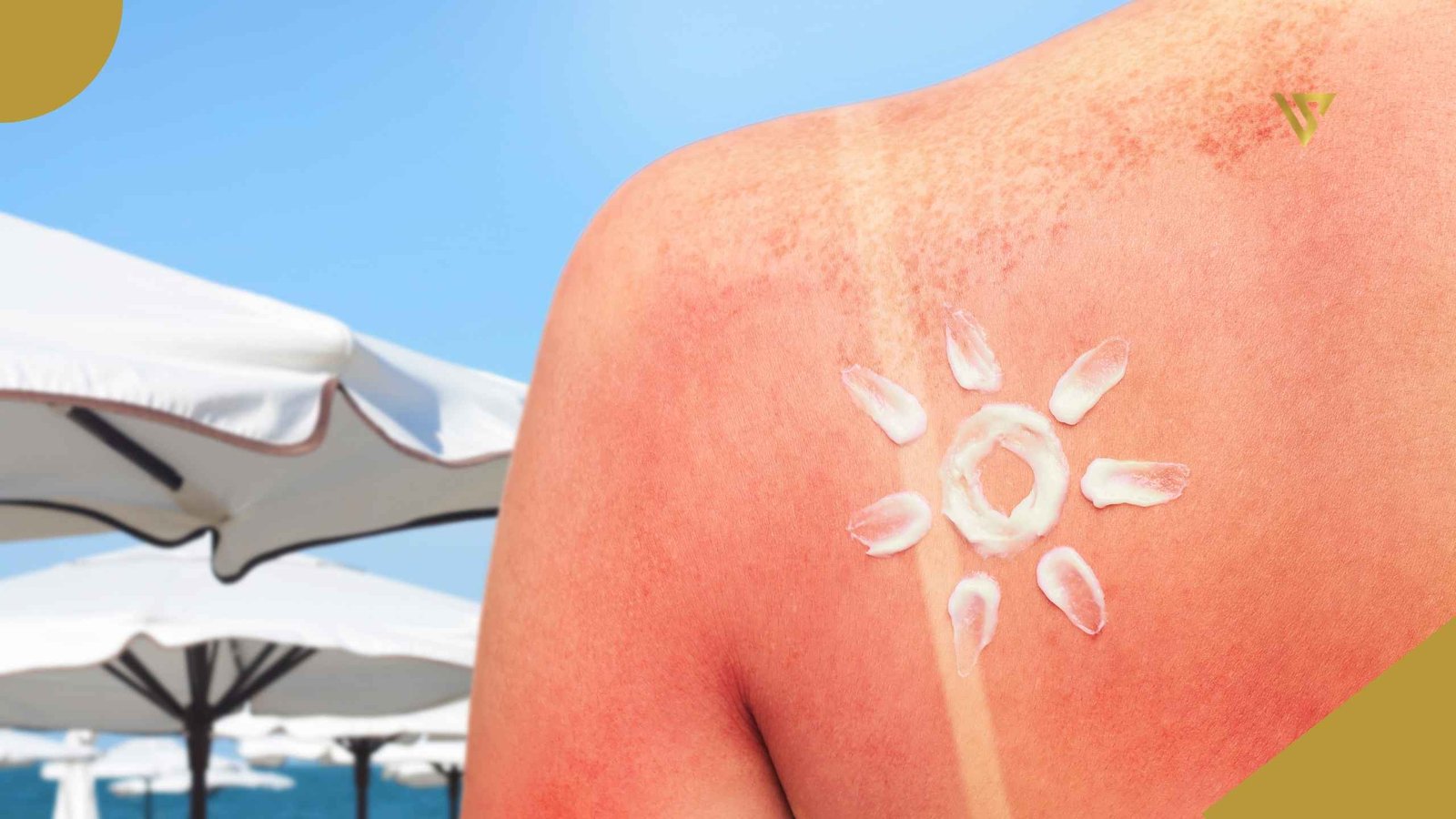
Florida summers are relentless. Months of UV exposure, humidity, and outdoor activity leave a visible record on your skin — dark spots, uneven tone, enlarged pores, and a dullness that doesn’t go away with your usual routine. Sun damage skin treatment isn’t a luxury after a Florida summer. It’s what stands between the damage already done and the damage that compounds if left unaddressed. Understanding what’s behind the damage changes how you approach fixing it — and what professional treatment can actually deliver. What a Florida Summer Does to Your Skin UV radiation works on two levels. UVB rays cause the burns you feel immediately. UVA radiation doesn’t announce itself the way a sunburn does. It works at a deeper level, destabilizing collagen and driving irregular melanin production that eventually appears on the surface as spots and uneven tone. After a Florida summer, most people notice a combination of concerns: hyperpigmentation from sun exposure, areas of redness or irritation, enlarged pores from heat and sweat, fine lines that appear more pronounced, and a general loss of skin clarity and brightness. The complicating factor is that this damage is cumulative. What looks like one summer’s worth of sun exposure is actually the visible result of years of UV accumulation — and Florida’s year-round sun intensity accelerates that process faster than most climates. Professional Treatments That Actually Reverse Sun Damage Type of Sun Damage Best Treatment Estimated Sessions Dark spots and hyperpigmentation Picosecond Laser 3–6 sessions Uneven skin tone and dullness Hollywood Peel 3–5 sessions Fine lines and texture Microneedling 3–6 sessions Post-summer skin reset Chemical Peel 2–4 sessions Acne-prone or congested skin HydraFacial Monthly maintenance Combination damage Customized plan Varies No single treatment addresses every type of sun damage equally. The right approach depends on what your skin is showing after summer — which is why a consultation before any treatment is essential. How to Reverse Sun Damage on the Face: Treatment by Treatment Picosecond Laser — The Most Targeted Option for Dark Spots For clients dealing with hyperpigmentation after summer, the Picosecond Laser is the most precise tool available. It delivers ultra-short pulses of light energy that shatter pigment particles beneath the skin’s surface without significant thermal damage to surrounding tissue. What clients see over time is a steady clearing of dark spots and a more uniform tone — achieved without the rebound pigmentation risk that made older laser treatments unpredictable for certain skin types. For skin that has accumulated years of sun damage, this is the treatment that goes where topical products simply can’t reach. If you want the full picture on how this works under the skin, our blog on Picosecond Laser for Hyperpigmentation and Dark Spots breaks it down.. Hollywood Peel — Surface Reset After Summer The Hollywood Peel uses laser energy to remove the outermost layer of damaged skin cells, stimulate collagen production, and improve overall skin tone and texture. It’s a fast, no-downtime treatment that works well for clients who want a visible improvement in brightness and tone without a multi-week recovery. For post-summer skin that looks dull and uneven but doesn’t have deep pigmentation concerns, the Hollywood Peel is an efficient starting point. Chemical Peel — Controlled Exfoliation for Congested Skin Florida’s heat and humidity create ideal conditions for clogged pores, uneven texture, and surface buildup. A chemical peel accelerates cell turnover, removes damaged outer layers, and prompts the growth of fresher skin beneath. Every peel is dialed in to the client’s skin — its tolerance, its tendencies, its current condition — which is what makes it such a reliable choice after summer, particularly for those whose skin congests or breaks out in the Florida heat. Microneedling — Rebuilding What the Sun Breaks Down UV exposure degrades collagen over time, which shows up as fine lines, loss of firmness, and a textured appearance that becomes more pronounced after summer. By creating precise micro-injuries across the skin’s surface, microneedling activates the body’s own repair mechanism — producing new collagen in response. Each session builds on the last, with improvements that develop gradually over time. Combined with PRP, microneedling delivers a more comprehensive renewal effect — addressing both texture and tone at the same time. HydraFacial — Maintenance and Hydration Reset After months of sun, saltwater, and outdoor activity, skin hydration is often significantly depleted. The HydraFacial cleanses, exfoliates, and infuses the skin with hydrating serums in a single session — with no downtime and results that are visible immediately. It’s the practical choice for clients who want a reliable monthly reset rather than a targeted corrective treatment. How Many Sessions Does Sun Damage Repair Actually Take? That depends entirely on what your skin is dealing with. Damage depth, skin type, and the treatment selected all pull the number in different directions — which is why the answer looks different for every client. Dark spots that have developed over multiple summers will take more sessions to clear than surface dullness from a single season. What most clients find is that the first session produces a noticeable improvement — and that consistent treatment over two to three months delivers results that actually hold. Treating sun damage once and stopping is rarely as effective as a short treatment plan followed by maintenance. When to Start Treatment August is the right time. Your skin has accumulated its peak summer damage, and starting treatment now allows the healing process to happen during fall — when sun intensity drops and recovery is faster. Waiting until the damage becomes harder to treat is the most common mistake. The earlier sun damage is addressed professionally, the better the outcome — and the less aggressive the treatment needs to be. Real Questions, Straight Answers Can professional treatments actually reverse sun damage? In most cases, yes — and the degree of improvement is more significant than many clients expect before their first session. Professional treatments like the Picosecond Laser and chemical peels can visibly reduce hyperpigmentation,

Beauty Spa Services in Brandon, FL: Complete Guide to Beauty Spa by Val
Beauty Spa by Val is a licensed esthetic spa located on W Lumsden Road in Brandon, FL, just minutes from Riverview, Valrico, and Tampa — offering advanced facial treatments, laser hair removal, lash lift, brow lamination, body treatments, and specialty skin services. Category Services Starting Price Advanced Facials HydraFacial, Morpheus8, Microneedling, Hollywood Peel, BB Glow, PRP, Dermaplaning, Chemical Peel, Picosecond Laser $85 Eye & Brow Lash Lifts, Brow Lamination, Eyebrow Wax $15 Body Back Facial, Laser Hair Removal, Skin Tag Removal $95 Specialty Plasma Fibroblast, Eyebrow Tattoo Removal, Lip Filler, Dark Circles, Nasolabial Folds $150 About Beauty Spa by Val in Brandon, Florida Beauty Spa by Val was founded by Valentina Garibello, a Colombian-born licensed esthetician with expertise in both skin and body treatments. Her approach combines professional-grade techniques with a personalized touch — every client receives a skin assessment before any treatment begins. The spa is located in Brandon, FL, just minutes from Riverview, Valrico, and the broader Tampa Bay area. Whether you’re stopping in for something quick or starting a longer treatment plan, the space feels like somewhere you actually want to be. Appointments are available by booking online or by phone at (813) 407-6199. Advanced Facial Treatments HydraFacial — $120 The HydraFacial is a multi-step treatment that simultaneously cleanses, exfoliates, extracts, and infuses the skin with hydrating serums. It works for all skin types, including sensitive and acne-prone, and delivers visible results with zero downtime. It’s one of the most requested treatments at the spa for clients who want immediate radiance without recovery time. Hollywood Peel — Price upon consultation The Hollywood Peel is a laser-based treatment that targets pigmentation, enlarged pores, fine lines, and dull skin tone. The result is cleaner, smoother skin — dead cells gone, collagen stimulated, texture improved from the first session. Sessions are quick with no downtime, making it a popular option before events or special occasions. Morpheus8 — Price upon consultation Morpheus8 is a minimally invasive procedure that merges microneedling and radiofrequency energy in one session, targeting both surface texture and the deeper tissue responsible for skin firmness. It targets multiple layers simultaneously — from the outer skin surface down to deeper tissue — making it one of the most comprehensive non-surgical skin tightening options available at the spa. Microneedling — $150 Microneedling uses a device with fine needles to create micro-channels in the skin, triggering the body’s natural collagen response. It reduces the appearance of fine lines, acne scars, and uneven texture. Results build progressively over a series of sessions and can be enhanced when combined with PRP. Chemical Peel — Price upon consultation Chemical peels exfoliate the outer layers of skin, revealing fresher, smoother skin beneath. They address uneven tone, fine lines, mild scarring, and dullness. Peel strength is customized to each client’s skin type and tolerance. BB Glow — $180 BB Glow is a semi-permanent radiance treatment that infuses a tinted serum into the skin for an even, brightened complexion. It provides a natural foundation-like effect that lasts beyond a single session, making it popular among clients who want glowing skin with minimal daily makeup. PRP Facial — Price upon consultation PRP uses a small sample of the client’s own blood, processed to concentrate the platelets, and applied to the skin to stimulate collagen and cell renewal. On its own it delivers real renewal — paired with microneedling, the results go deeper and build faster. Dermaplaning — Price upon consultation A trained hand guides a fine blade across the skin, clearing the surface layer of dead cells and peach fuzz in one precise, controlled motion. The result is immediately smoother skin with better product absorption. It’s suitable for most skin types and requires no downtime. Picosecond Laser — $195 The picosecond laser targets hyperpigmentation, dark spots, sun damage, and melasma using ultra-short pulses of light that break down pigment without significant thermal damage to surrounding tissue. It’s one of the most advanced pigmentation treatments available at the spa and works across a range of skin tones. Eye and Brow Services Lash Lifts — $85 A lash lift takes your existing lashes and sets them into an upward curl that stays put — the result looks like your lashes on their best day, naturally. Results last six to eight weeks with no daily maintenance required. Brow Lamination — $85 Brow Lamination repositions and sets the brow hairs into a lifted, uniform direction — creating a fuller, more polished look that holds for six to eight weeks. It can be combined with a brow wax in the same session for a complete brow transformation. Eyebrow Wax — $15 A precise wax that defines the brow shape, cleans up the outline, and removes unwanted hair around the brow. Quick, clean, and effective — results last three to four weeks. Body Treatments Back Facial — $95 The Back Facial at Beauty Spa by Val is a professional deep-cleansing treatment designed specifically for the back. It includes cleansing, steam, exfoliation, extractions, a purifying or hydrating mask, and finishing products appropriate for your skin type. It’s the most effective professional option for back acne, clogged pores, and uneven texture. Laser Hair Removal — Price varies by area Laser hair removal uses concentrated light to disable hair follicles, delivering permanent reduction after a series of sessions. The spa treats all standard body areas — legs, bikini, underarms, face, upper lip, and back. For a full breakdown of what to expect by area, read our guide on Laser Hair Removal in Brandon, FL. Skin Tag Removal — Price upon consultation Skin tags are removed quickly and precisely using professional tools in a controlled spa setting. Pricing depends on the number and location of tags being treated. Specialty Treatments Plasma Fibroblast — Price upon consultation Plasma Fibroblast is a non-surgical treatment that uses a specialized device to deliver controlled energy to the skin’s surface, activating fibroblast cells and stimulating collagen production for skin tightening and regeneration. It’s used on the
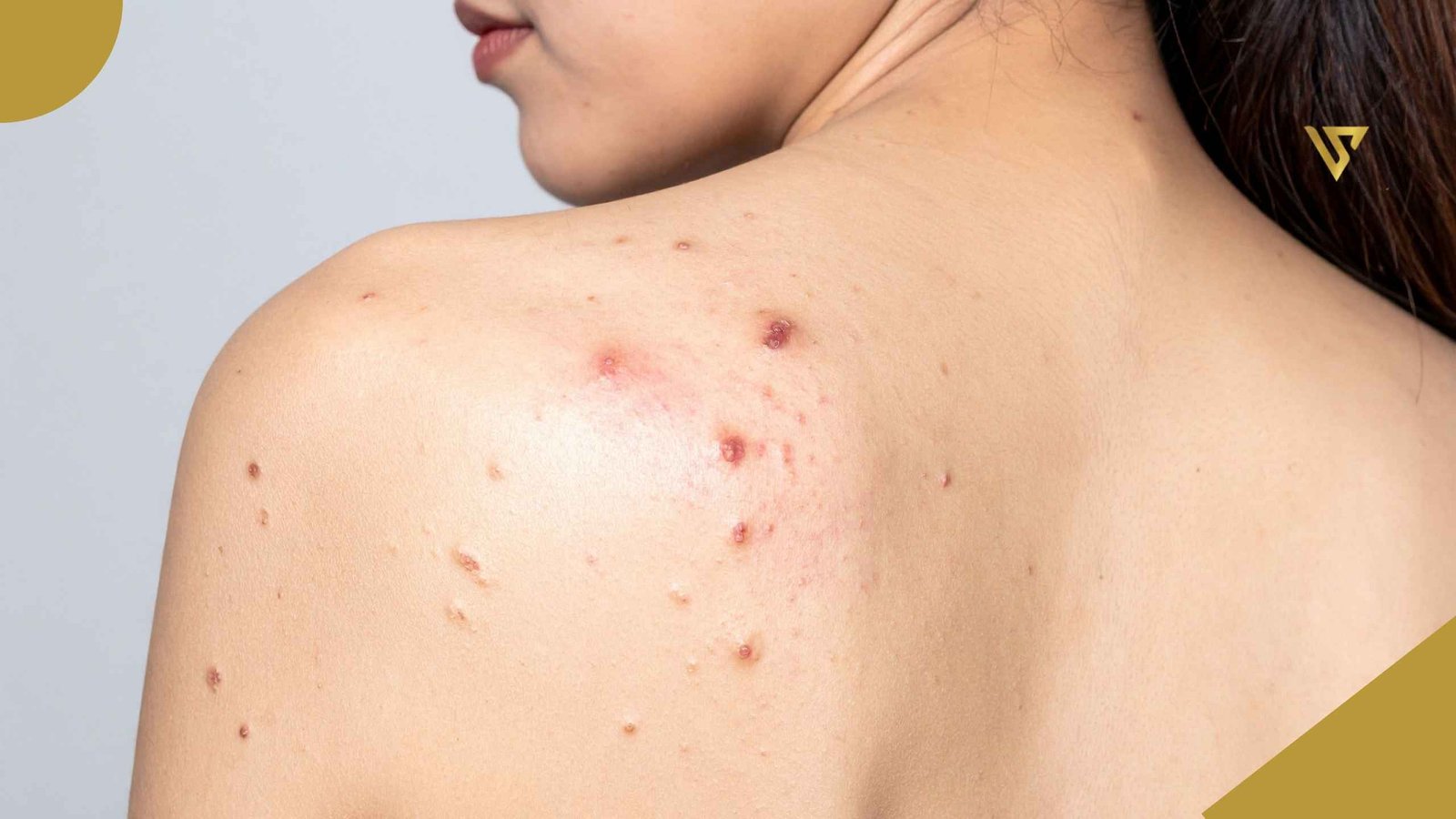
Body Acne: Causes, Treatments, and How a Back Facial Can Help
Professional spa treatments — especially back facials — are among the most effective options for body acne. A back facial deep cleanses clogged pores, removes acne-causing bacteria, and exfoliates dead skin cells that regular showers can’t fully address. For persistent breakouts on the back or body, professional treatment delivers results that at-home products rarely achieve on their own. Why Do You Get Body Acne? The Real Causes Body acne isn’t a hygiene problem — and it’s not something you did wrong. It’s a skin condition driven by a combination of factors that are often beyond your control, and understanding them is the first step toward actually clearing it up. The back and body have a higher concentration of sebaceous glands than most other areas of skin. When those glands produce excess oil, it mixes with dead skin cells and clogs pores. Add heat, sweat, and friction — all very real factors in Florida’s climate — and the conditions for breakouts become almost unavoidable. Hormonal fluctuations play a significant role too, especially in adults. Stress, diet, certain medications, and even the fabric of your workout clothes can trigger or worsen breakouts. Tight clothing that traps sweat against the skin is one of the most common and overlooked contributors to body acne. Back Acne vs. Body Acne: Are They the Same? The term “body acne” covers breakouts anywhere below the neck — back, chest, shoulders, and sometimes upper arms. Back acne, or “bacne,” is the most common form simply because the back has more sebaceous glands, is harder to clean thoroughly, and is often covered by clothing that traps heat and moisture. While the causes are similar across body zones, the back presents a unique challenge: it’s physically difficult to reach. Most people can’t properly cleanse or exfoliate their own back the way they can their face or chest, which is exactly why professional treatment makes such a practical difference. Why Over-the-Counter Products Often Don’t Work Walk down any drugstore aisle, and you’ll find dozens of body washes, sprays, and pads claiming to clear body acne. Some of them help — but most fall short for one simple reason: they sit on the surface. Body acne often starts deeper than the surface layer of skin. By the time a pore is visibly clogged or inflamed, the blockage has been building for a while. Over-the-counter products can help maintain skin between treatments, but they rarely have the strength or delivery method to address what’s already there — especially on the back, where penetration is harder and buildup is more concentrated. Professional treatments reach where at-home products can’t. That’s not a marketing line — it’s a practical difference in how deeply ingredients and techniques can work on the skin. Professional Body Acne Treatments That Work Treatment How It Helps Body Acne Estimated Sessions Back Facial Deep cleansing, extractions, exfoliation, and antibacterial treatment 4–6 sessions Chemical Peel Exfoliates dead skin cells and unclogs pores at a deeper level 3–4 sessions LED Light Therapy Blue light destroys acne-causing bacteria without irritating the skin 6–8 sessions Microneedling Stimulates collagen to reduce post-acne scarring 3–6 sessions Each of these treatments targets a different aspect of the acne cycle — from active breakouts to lingering scars. For most clients dealing with body acne, a back facial is the logical starting point before layering in additional treatments. What Is a Back Facial and How Does It Treat Body Acne? A back facial is a professional skincare treatment designed specifically for the skin on your back. It follows the same fundamental principles as a face facial — deep cleansing, exfoliation, extractions, and hydration — but is adapted for the unique characteristics of back skin, which is thicker, oilier, and much harder to treat at home. For acne specifically, the back facial works on multiple levels. The deep cleanse removes surface bacteria and excess oil. The exfoliation clears away dead skin cells that block pores. The extractions manually clear existing congestion. And the antibacterial mask and finishing products work to calm inflammation and prevent new breakouts from forming. It’s the most comprehensive approach to back acne treatment available outside of a dermatologist’s office — and for many clients in Brandon, FL, it’s exactly what finally makes the difference after months of trying products that didn’t deliver. Learn more about what our back facial includes in our full guide on Back Facial Treatment for Healthy Skin. What to Expect During a Back Facial for Acne Your first back facial at Beauty Spa by Val starts with a skin consultation. Your esthetician reviews the type and severity of your breakouts, asks about your skin history, and adjusts the treatment accordingly — because active acne is handled differently than congested skin with no inflammation. From there, the session follows a structured sequence: deep cleansing to remove surface buildup, steam to soften the skin and open pores, exfoliation to clear dead cells, gentle pore clearing to remove existing congestion, an antibacterial or purifying mask, and a finishing moisturizer appropriate for acne-prone skin. The whole session typically runs 60 to 75 minutes. Most clients are surprised by how comfortable it is — and how noticeably different their skin looks and feels immediately after. How Many Sessions Do You Need to See Results? One back facial will make a visible difference — but clearing persistent body acne takes consistency. Most clients dealing with active breakouts see meaningful improvement after three to four sessions, with the best results coming after a full series of four to six treatments spaced four to six weeks apart. After the initial series, monthly maintenance sessions help prevent buildup from returning. Think of it like any other skincare routine: the results compound over time when you stay consistent. If post-acne scarring is also a concern, additional treatments like microneedling can be introduced once the active breakouts are under control. Back Facial for Body Acne at Beauty Spa by Val in Brandon, FL At Beauty Spa
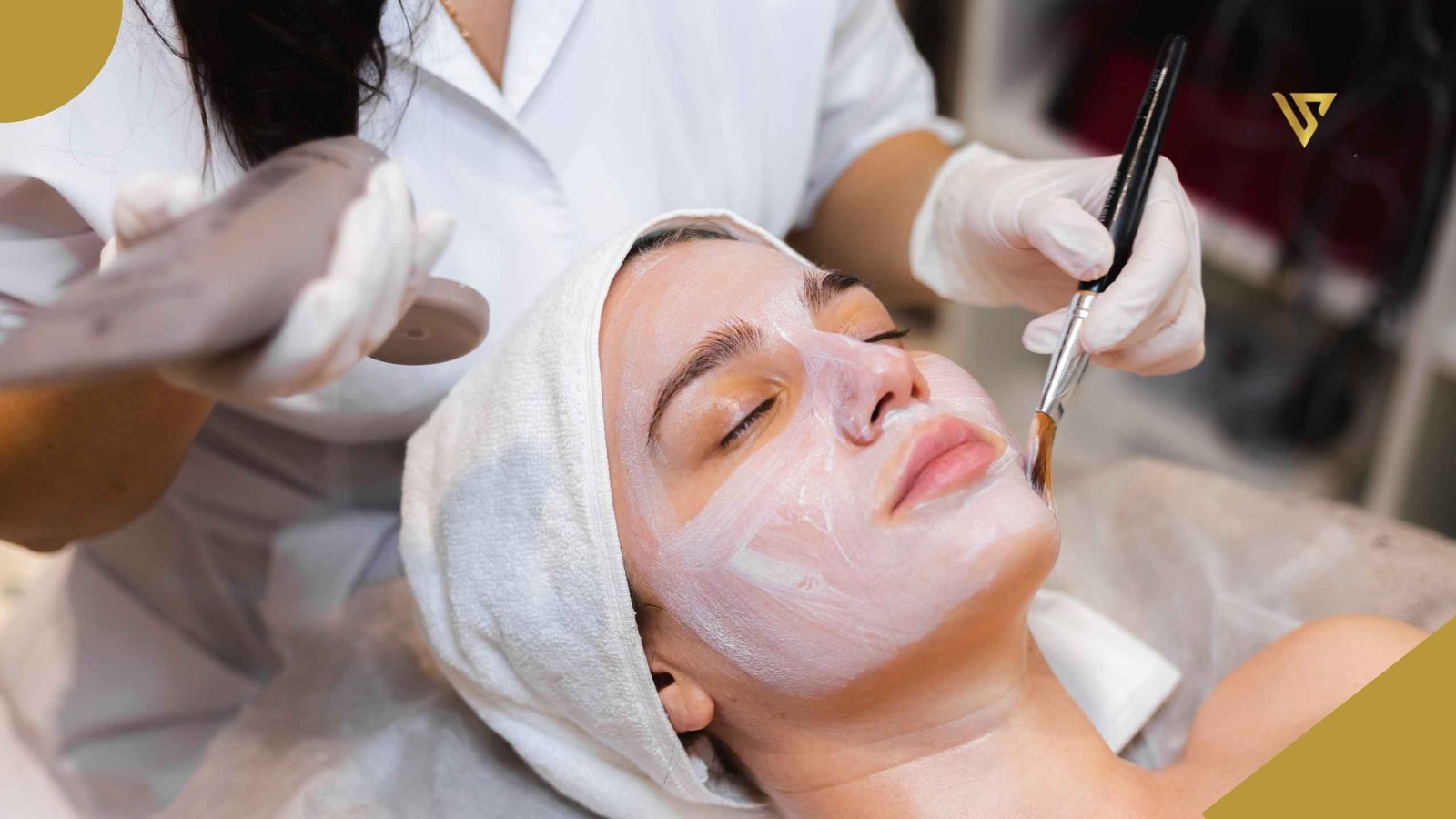
Your First Facial: What to Expect Before, During & After
A professional facial typically lasts 60–90 minutes and includes cleansing, exfoliation, gentle pore clearing, and deep hydration. It doesn’t hurt — most people find it deeply relaxing. You leave with cleaner, brighter skin and a personalized plan for what to do next. How to Prepare for Your First Facial (Before Your Appointment) You don’t need to do much to get ready — and that’s actually the point. Show up with a clean face if you can, but don’t stress if you’re coming straight from work with makeup on. Your esthetician will handle the cleansing as the first step. A few things that do matter: skip any exfoliating products — scrubs, retinol, or acids — for 24 to 48 hours before your appointment. These can make your skin more sensitive, and layering them with professional-grade products isn’t a great combination. Let your esthetician know about any active breakouts, recent skin treatments, allergies, or medications you’re taking. The more context they have, the better they can customize what they’re using on your skin. And if you’re nervous — that’s normal. First facials come with a lot of unknowns, and talking through your concerns before they start makes the whole experience better. What Happens During a Facial? Step-by-Step Here’s what a standard facial appointment looks like from start to finish: Stage What Happens Approx. Time 1. Initial consultation Your esthetician reviews your skin type and concerns 5 min 2. Cleansing Makeup and surface impurities are removed 5–10 min 3. Skin analysis Pores, hydration, and tone are assessed 5 min 4. Exfoliation Dead skin cells are gently removed 5–10 min 5. Steam (optional) Softens skin and opens pores 5 min 6. Pore clearing Clogged pores are gently cleared 5–15 min 7. Mask A treatment mask is applied for your skin type 10–15 min 8. Serum + moisturizer Hydration, vitamins, and SPF are applied 5–10 min 9. Post-care guidance Your esthetician explains what to do at home 5 min Every step is done with your skin type in mind — nothing is one-size-fits-all. Will It Hurt? What Does a Facial Feel Like? This is the question most first-timers have — and the honest answer is that it’s mostly comfortable and relaxing. The cleansing, massage, and mask steps feel genuinely good. The steam is warm and soothing. The serum application at the end is one of those moments where you understand why people keep coming back. The one part that can feel slightly uncomfortable is pore clearing, where your esthetician gently removes buildup from congested areas. It’s not painful — more of a brief pressure that passes quickly. If anything feels too intense, you can always say so, and your esthetician will adjust. By the end of a 60–90 minute facial, most people are surprised by how calm they feel. It’s part treatment, part reset. What to Do (and Avoid) After Your First Facial The 24 hours after your facial are when your skin is most open and responsive — which means it absorbs everything well, but it’s also more sensitive than usual. Do: drink plenty of water, use a gentle moisturizer, and apply SPF before going outside. Your skin will look and feel its best if you keep things simple. Avoid: heavy makeup for at least a few hours, direct sun exposure, hot showers or steam rooms, and any active skincare ingredients like retinol or exfoliating acids for 48 hours. Touching your face repeatedly is also a good habit to skip for the rest of the day. Some people experience minor redness or a small breakout in the day or two after their first facial — especially if there was a lot of pore clearing involved. This is normal. It’s your skin adjusting, not a reaction to the treatment. Which Facial Should You Book for Your First Time? If you’ve never had a professional facial before, the Basic Facial ($85) at Beauty Spa by Val is the right starting point. It covers all the essentials — cleansing, exfoliation, gentle pore clearing, mask, and hydration — without overwhelming your skin with actives it hasn’t been introduced to yet. Think of it as a baseline. Your esthetician gets to see your skin in person, understand how it behaves, and make real recommendations for what comes next — whether that’s a HydraFacial, microdermabrasion, or something more targeted. Not sure which direction your skin needs to go after your first visit? Our guide on Which Facial Is Best for My Skin Type? breaks down every option we offer and what each one is best for. Your First Facial at Beauty Spa by Val in Brandon, FL At Beauty Spa by Val, first-time clients get a full skin consultation before anything else starts. We look at what you’re working with, listen to what’s been bothering you, and build the session around your skin — not a template. Our Brandon location is designed to feel welcoming, not intimidating. You don’t need to know the difference between a HydraFacial and a basic facial before you walk in — that’s what we’re here for. You just need to show up. Things First-Timers Ask Us All the Time What should I do before my first facial? Arrive with a relatively clean face and skip exfoliating products for 24–48 hours beforehand. Let your esthetician know about any skin sensitivities, current medications, or recent treatments. That’s really all the prep you need. Will my face break out after my first facial? It’s possible, especially if your pores had significant buildup. This is called a purge — your skin pushing out what was already there. It usually clears within a few days and is a sign the treatment did its job. Can I wear makeup after a facial? It’s best to wait at least a few hours before applying anything to your skin. Your pores are freshly cleared and your skin is absorbing everything more easily right after a treatment — giving it a little breathing room makes a
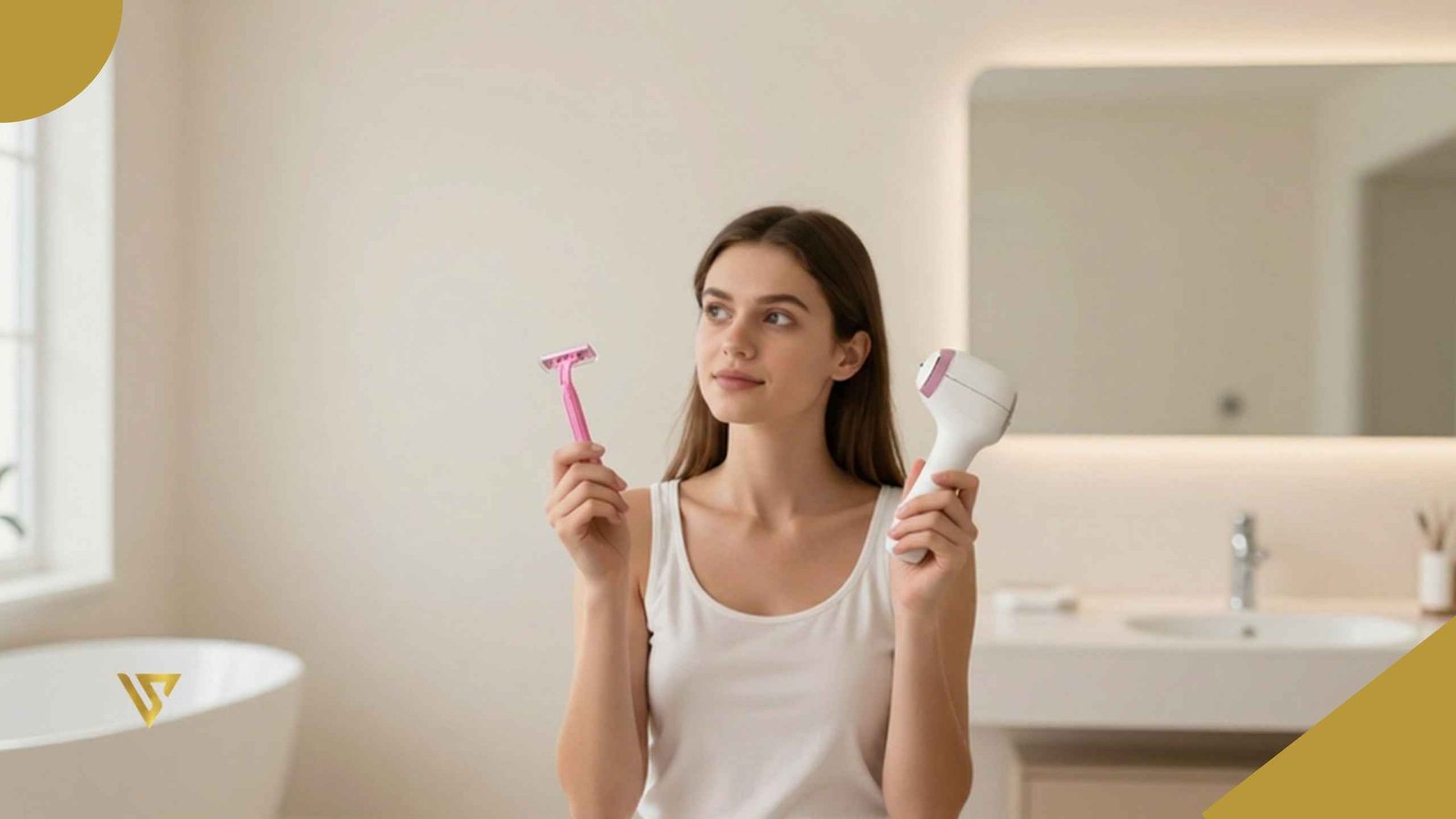
Waxing vs. Laser Hair Removal: Which Is Better for Your Skin Long-Term?
Laser hair removal delivers permanent reduction after 6–8 sessions, making it more cost-effective long-term despite higher upfront costs. Waxing is affordable per session but requires appointments every 3–6 weeks indefinitely. For lasting results and smoother skin over time, laser is the better investment — waxing remains a practical short-term option. How Does Waxing Work? (and Why People Still Use It) Wax is spread onto the skin, allowed to set briefly, then stripped away — uprooting the hair completely instead of shortening what’s already visible above the skin. When the wax is pulled off, it takes the entire hair shaft with it — leaving the skin smooth for weeks rather than days. Results typically last between three and six weeks, depending on how fast your hair grows and the area being treated. The follicle doesn’t give up easily. Repeated waxing may produce finer regrowth over time, but it never shuts the growth cycle down for good. Waxing remains popular for several practical reasons. It works on all skin types and hair colors, requires no downtime, and can be done quickly in a single appointment. It’s also an accessible option for people who aren’t yet ready to commit to a full laser series. The downsides are real too. Ingrown hairs are common, especially in areas like the bikini line. Skin irritation, redness, and occasional breakouts can follow a waxing session. And the ongoing cost — repeated every few weeks, year after year — adds up significantly over time. Here’s What Laser Hair Removal Is Actually Doing Under the Surface Each pulse of light targets the pigment inside the follicle, generating enough heat to disrupt its growth cycle without affecting the surrounding skin. The follicle absorbs the heat, which damages its ability to produce new hair. Over a series of sessions, the follicle stops regenerating hair altogether. The key word is “series.” Hair doesn’t grow all at once — follicles operate on their own schedule, and laser treatment only reaches them during their active phase. That’s why multiple sessions — typically six to eight — are needed to catch each follicle at the right moment. How long you wait between sessions depends on where you’re being treated — some areas cycle faster than others, so spacing ranges from four to eight weeks. After completing a full course, most clients experience an 80–90% permanent reduction in hair growth. The occasional maintenance session is all most clients need after completing their series — a far cry from the every-few-weeks waxing schedule they left behind. For a detailed breakdown of how many sessions different body areas typically require, read our guide on How Many Sessions Do I Need to Completely Remove Hair? Waxing vs. Laser Hair Removal: Side-by-Side Comparison Criteria Waxing Laser Hair Removal Result duration 3–6 weeks Permanent (6–8 sessions) Pain level Moderate (pulling sensation) Minimal (mild heat) Cost per session $15–$80 approx. $100–$300 approx. Cost over 5 years High (recurring) Low (no maintenance) Ideal candidates All skin types Light skin with dark hair* Recovery time None 24–48 hrs (avoid sun) Ingrown hairs Frequent Eliminated over time Treatable areas Full body Full body *Laser technology has advanced significantly for darker skin tones. At Beauty Spa by Val, we assess each client individually to determine the most appropriate settings for their skin and hair type. Which Option Is More Cost-Effective Over 5 Years? This is where the math changes the conversation entirely. Waxing feels affordable because each session has a low individual cost. But those sessions never stop — and the total adds up fast. A client waxing legs and bikini every four weeks spends roughly $800–$1,500 per year on appointments alone, not counting travel time or last-minute cancellations. Over five years, that’s $4,000–$7,500 for results that disappear the moment you stop going. Laser hair removal requires a higher upfront investment — a full series for the same areas might run $1,500–$3,000 total. But after completing the series, ongoing costs drop to minimal or zero. Over five years, laser is almost always the more cost-effective choice when you account for the full picture. When asking if laser is better than waxing from a financial perspective, the answer depends entirely on your time horizon. Short-term: waxing wins. Long-term: it’s not close. Who Is a Good Candidate for Each Treatment? Waxing works for virtually everyone. There are no restrictions based on skin tone or hair color, and it can be done on most body areas. It’s also the only option available during certain life stages — pregnancy, for example, when laser is not recommended. Laser hair removal works best on clients with higher contrast between skin tone and hair color — traditionally, lighter skin with darker hair. However, modern laser technology has expanded the range of treatable skin types significantly. Clients with very light or gray hair may not respond as well to laser, since the light energy targets pigment. A proper skin assessment before your first session is essential to set realistic expectations and select the right laser settings for your profile. For more details on what laser hair removal looks like in practice, check out our Laser Hair Removal in Brandon, FL guide. Waxing vs. Laser at Beauty Spa by Val in Brandon, FL At Beauty Spa by Val, we offer both services — and we don’t believe in a one-size-fits-all answer. Some clients start with waxing while they prepare for laser. Others use waxing for specific areas while completing laser sessions on others. What matters is that you make the decision based on your skin, your lifestyle, and your goals — not on guesswork. Our team assesses each client individually before any treatment, so you know exactly what to expect and which option makes the most sense for your case. Both waxing and laser hair removal are available at our Brandon, FL location with flexible scheduling and personalized treatment plans. Real Questions, Straight Answers Is laser hair removal worth it vs waxing? For most clients, yes —

Brow Lamination vs. Eyebrow Wax: Which One Is Right for You?
Two treatments, two very different results. If you’ve been trying to decide between brow lamination vs wax, you’re not alone — it’s one of the most common questions clients ask before booking a brow appointment. The answer depends on what your brows need. The longer answer is what this blog is here to give you. What Each Treatment Actually Does Eyebrow waxing is a shaping treatment. It removes unwanted hair around the brow using warm wax, defining the arch and cleaning up the outline. The result is a neater, more sculpted brow — but the hair that remains stays exactly as it is: direction, texture, and all. Brow lamination is a styling treatment. It doesn’t remove hair — it repositions it. Using a chemical solution, the hairs are lifted, straightened, and set into a new direction, creating a fuller, more uniform look. If you are interested in finding out more detailed information about the process, focusing on the step-by-step, please contact us., check out our blog on Brow Lamination: Instantly Achieve Perfect, Full, and Fluffy Eyebrows. One removes. The other reshapes. That distinction is everything. How Long Do Results Last? Duration is one of the most practical factors when choosing between these two treatments. Brow lamination results last between six and eight weeks. During that time, the hairs hold their lifted, set position without any daily styling. One appointment keeps your brows looking intentional for nearly two months. Eyebrow waxing results last between three and four weeks before regrowth becomes noticeable. Because waxing only removes hair, the results fade as new hairs grow back in — which means more frequent appointments to maintain the same look. If low maintenance is a priority, lamination has the clear advantage on longevity. Brow Lamination vs. Wax: The Real Differences Beyond the basics, here’s where the two treatments actually diverge in ways that matter for your decision: What they target. Waxing addresses unwanted hair outside the brow shape. Lamination addresses the behavior of the hair inside the brow — specifically hairs that grow downward, sideways, or unevenly. Who they’re best for. Waxing suits clients with naturally full brows who mainly need definition and cleanup. Lamination suits clients with sparse, unruly, or flat-lying brows who want more volume and a more polished look without daily effort. Commitment level. Waxing is a maintenance treatment — you’ll be back every three to four weeks. Lamination is a longer investment with less frequent upkeep. Skin sensitivity. Wax pulls directly on the skin, which can cause temporary redness or irritation poblems, and this can happen more with the most sensitive skin types. Lamination involves chemical solutions applied to the hair, not the skin, making it a gentler option for clients who react to waxing. Does Brow Lamination Include Waxing? This is one of the most searched questions about brow lamination — and the answer surprises many clients. Brow lamination on its own does not include waxing. However, at Beauty Spa by Val, we often combine both treatments in the same appointment. Lamination sets and lifts the brow hairs first, and then a light wax cleans up the perimeter — giving you both the shape of a wax and the volume of a lamination in a single session. If you want the best of both worlds, ask about our combined brow wax and lamination service when you book. Which One Is Right for Your Brows? The right treatment depends on what your brows actually need — not what’s trending. Choose eyebrow waxing if: Your brows are naturally full and just need regular cleanup and definition. You prefer a simple, quick maintenance treatment. You don’t have issues with flat or unruly hairs. Choose brow lamination if: Your brows are sparse, fine, or grow in different directions. You want a more defined and complete style without having to refine it daily. You’re looking for a treatment that lasts longer between appointments. Choose both if: You want a clean shape AND lifted, voluminous brows. The combined treatment delivers the most complete brow transformation in a single visit. Can You Combine Both Treatments? Yes — and for many clients, combining brow lamination and waxing is the most effective approach. The lamination repositions and sets the hairs for maximum volume, while the wax defines the outline and removes any strays that fall outside the shape. The key is doing them in the right order. Lamination always comes first. Waxing after lamination allows the technician to see the final shape of the lifted brows before cleaning up the edges — resulting in a more precise, tailored finish. At Beauty Spa by Val, our brow treatments are customized to each client’s hair type, brow density, and aesthetic goals. Whether you’re coming in for a quick wax, a full lamination, or both, we make sure you leave with brows that actually work for your face. You may still have some uncertainties about the appropriate treatment for you, however, the best way to find out is a quick consultation before your appointment. We’ll look at your brows, talk through your goals, and recommend the treatment — or combination — that makes the most sense for you. Ready to book? Call us at (813) 407-6199 or schedule your appointment online at Beauty Spa by Val in Brandon, FL.

Smooth Skin Starts Here: Laser Hair Removal in Brandon, FL
Shaving every few days. Waxing appointments that hurt and don’t last. Ingrown hairs that show up right when you least want them. If any of this sounds familiar, laser hair removal in Brandon, FL, might be exactly what you’ve been putting off. At Beauty Spa by Val, we’ve helped clients across Brandon and the Tampa Bay area say goodbye to temporary hair removal for good. Here’s everything you need to know before booking your first session. Why Brandon Residents Are Choosing Laser Over Razors Florida’s heat and humidity make hair removal a year-round concern — not just a seasonal one. Shorts, swimsuits, and tank tops are part of everyday life here, which means smooth skin is a practical decision. Laser hair removal works by targeting the pigment in the hair follicle with concentrated light energy. The follicle absorbs the energy, which disrupts its ability to produce new hair. Over a series of sessions, most clients see an 80–90% reduction in hair growth — with results that last far longer than any razor or wax ever could. What to Expect Area by Area Every body area responds differently to laser treatment. Here’s what to know about the most commonly treated zones before your first appointment. Legs Legs are one of the most popular treatment areas — and one of the most rewarding. The skin is flat, the hair is accessible, and results tend to be consistent. Most clients need between 6 and 8 sessions to achieve lasting reduction. Full legs take longer per session than smaller areas, but many clients find the time investment completely worth it once they stop factoring in years of shaving. For a detailed breakdown of how many sessions different areas typically require, check out our blog How Many Sessions Do I Need to Completely Remove Hair? Bikini and Brazilian The bikini area is one of the most requested zones — and one where the laser delivers some of its most life-changing results. No more irritation from waxing, no more ingrown hairs along the bikini line, and no more last-minute shaving before a beach day. Because this is a hormonally active area, it may require more sessions than others — typically 6 to 10 depending on hair density and growth patterns. Results build progressively, and most clients notice significant reduction after the third or fourth session. Face and Upper Lip Facial hair is one of the most emotionally charged treatment areas for many clients. Whether it’s peach fuzz, a visible upper lip, chin hair, or sideburns, laser delivers precise, targeted results without the irritation that comes with threading or waxing. The upper lip is a quick treatment — usually just minutes per session — but the hair in this area tends to be fine, which means it may take a few extra sessions to see full results. Most clients are pleasantly surprised by how manageable and comfortable facial treatments are. Underarms Underarms respond exceptionally well to laser treatment. The area is small, sessions are fast, and the hair is typically dark and coarse — exactly the type that laser targets most effectively. Beyond hair reduction, many clients notice that the underarm skin gradually becomes smoother and more even in tone after treatment. Sessions here are usually among the quickest in any full treatment plan. Back Back hair removal is one of the most common requests among male clients — and one where laser genuinely outperforms every other option. Waxing the back is expensive, painful, and short-lived. Laser addresses the root of the problem, session by session. The back is a larger surface area, so sessions take longer than smaller zones. But the coverage is thorough, and results are consistent with proper spacing between appointments. How to Prepare for Your Session Getting ready for laser hair removal is simple, but a few steps make a real difference in your results. Run a razor over the area one to two days before you come in — not the morning of, and not earlier than that window. Avoid sun exposure for at least two weeks before your session, as tanned skin increases the risk of irritation. Skip self-tanner, retinol, and exfoliating acids in the days leading up to treatment. On the day of your appointment, arrive with clean, product-free skin in the treatment area. No deodorant for underarm sessions, no makeup for facial treatments. The cleaner the skin, the more effectively the laser can do its job. Does Laser Hair Removal Hurt? This is the question almost every new client asks — and the honest answer is: it depends on the area, your pain tolerance, and the technology being used. Most clients describe the sensation as a quick snap or a mild rubber band flick against the skin. Sensitive areas like the bikini line or upper lip tend to be more uncomfortable than legs or underarms. Numbing cream is available for clients who prefer extra comfort during treatment. What most clients agree on is that the discomfort is far more manageable than expected — and nothing compared to a waxing session. How Long Do Results Last? After completing a full series of sessions, most clients enjoy results that last for months or even years. Hair that does grow back tends to be finer, lighter, and much less noticeable than before treatment. Hormonal changes — including pregnancy, menopause, and conditions like PCOS — can trigger new hair growth in treated areas over time. That’s why occasional touch-up sessions help maintain results long-term. Think of it the same way you approach other maintenance treatments: a quick refresh once or twice a year keeps everything on track. If you’ve been thinking about laser hair removal in Brandon, FL, there’s no better time to start than now. The sooner you begin, the sooner you stop thinking about razors, wax appointments, and ingrown hairs altogether. At Beauty Spa by Val, we create personalized treatment plans tailored to your skin type, hair type, and goals. Ready to get started?